
























The Cost of Silence in Public Life

By Dr. Sashi Sekhar Samanta.
Silence in public life is often mistaken for neutrality, patience, or wisdom. In reality, prolonged silence—especially in moments that demand moral clarity—comes at a heavy cost. When citizens, institutions, and leaders choose not to speak, injustice gains space, misinformation spreads unchecked, and power operates without scrutiny. History repeatedly shows that silence is rarely harmless; more often, it is complicity by omission.
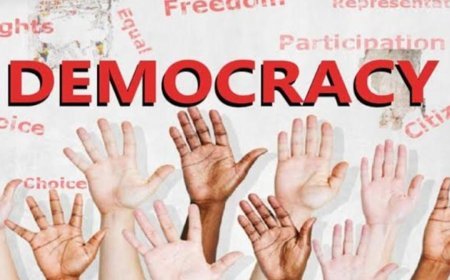
Public life thrives on dialogue, debate, and dissent. Democracies are not sustained merely by elections, but by continuous engagement—questioning authority, demanding accountability, and expressing disagreement without fear. When silence replaces participation, public life becomes hollow, reduced to formal rituals devoid of substance.
One of the most damaging consequences of silence is the normalisation of wrongdoing. Corruption, abuse of power, discrimination, and administrative failure often persist not because everyone approves of them, but because too few are willing to speak against them. Silence sends a message: this is acceptable, or at least tolerable. Over time, what was once shocking becomes routine.
Silence is also deeply connected to fear—fear of reprisal, isolation, career damage, or social backlash. In many societies, speaking truth to power carries personal risk. Whistleblowers face harassment, professionals fear transfers, artists fear cancellation, and ordinary citizens fear being labelled. When fear dominates, silence becomes a survival strategy. Yet a society built on fear cannot remain free for long.
Another cost of silence is the erosion of trust in institutions. When public officials remain silent during crises, when experts hesitate to correct falsehoods, and when institutions avoid uncomfortable conversations, citizens lose confidence. Trust does not collapse overnight; it fades gradually when people notice that voices meant to guide and protect them choose convenience over courage.

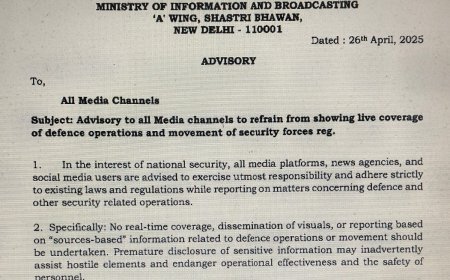
Media silence is particularly consequential. Journalism exists to amplify facts and question power. When media outlets avoid issues due to political pressure, commercial interests, or self-censorship, the public is deprived of information necessary for informed judgment. Silence in the media creates a vacuum—one quickly filled by rumours, propaganda, and noise.
Silence also harms the most vulnerable. Marginalised communities often lack platforms to speak for themselves. When those with privilege and access remain silent, injustice deepens. Silence widens inequality by ensuring that some voices are always heard while others are perpetually ignored.
It is important to distinguish between responsible restraint and moral silence. Not every issue demands instant reaction, and thoughtful reflection is essential. But there is a difference between choosing the right moment to speak and choosing never to speak at all. Silence becomes dangerous when it avoids truth, accountability, or empathy.
Public life demands courage—not the loudness of outrage, but the steadiness of principle. Speaking up does not always mean confrontation; it can mean asking questions, documenting facts, or simply refusing to endorse falsehoods. Even small acts of expression can disrupt cultures of silence.
Citizens, too, bear responsibility. Democracy weakens when people retreat into private comfort and disengage from public issues. Silence born of apathy is as damaging as silence born of fear. Participation is not limited to protests or debates; it includes voting thoughtfully, supporting independent voices, and refusing to share misinformation.
The cost of silence is ultimately paid by society as a whole. Freedoms erode quietly. Standards decline subtly. Injustice advances incrementally. By the time silence is recognised as a mistake, the damage is often deep.
Public life cannot be sustained by silence. It requires voices—measured, ethical, and persistent. In speaking responsibly, societies protect their future. In remaining silent, they surrender it.