































Beauty Beyond Gloss: How South Indian Heroines Redefined Global Cinema


By : vikram jena
For decades, Indian cinema was projected to the world through a single glittering prism, Bollywood. It was song, spectacle, glamour, and grandeur. Heroines were ethereal, often distant, sculpted through studio lighting, cosmetic perfection, and carefully curated frames. Beauty was not merely admired; it was manufactured.
But something extraordinary has happened over the past decade.
A quiet cinematic revolution emerged not from Mumbai’s glossy studios but from the South. From Hyderabad, Chennai, Kochi, and Bengaluru came a generation of actresses who redefined what screen presence means. They did not reject beauty; they reinterpreted it. They did not depend on cosmetic spectacle; they relied on craft, authenticity, and conviction.
Names such as Rashmika Mandanna, Sai Pallavi, Trisha Krishnan, Rukmani Badanta, Kajal Aggarwal, and Nayanthara now resonate far beyond linguistic borders. Their influence is no longer regional, it is global.
This is not a story about North versus South. It is about content versus cosmetics. Craft versus choreography of appearance. Substance over surface.
The Rise of Content-Based Cinema

Southern cinema, across Telugu, Tamil, Malayalam, and Kannada industries, invested deeply in narrative complexity long before it became fashionable nationwide. Directors built worlds grounded in social reality, mythology reinterpreted, psychological depth, and moral ambiguity.
The heroines within these films were not ornamental accessories to male protagonists. They were narrative drivers, moral centers, intellectual equals, and sometimes, the fiercest force in the frame.
While mainstream Bollywood often relied on glamorized song sequences and image branding, South Indian actresses increasingly chose roles that required:
• Physical transformation
• Emotional intensity
• Dialect authenticity
• Cultural rootedness
• Minimal cosmetic intervention
The audience noticed.
And eventually, the world noticed.
Sai Pallavi: The Modern Sita
Among them, Sai Pallavi stands out as a cultural phenomenon.
When audiences began calling her “a modern-day Sita,” it was not merely about mythological resemblance. It was about moral stillness in a restless industry.
Sai Pallavi’s refusal to conform to conventional beauty standards minimal makeup, natural skin, authentic expressions, was initially seen as unconventional in an industry long accustomed to stylized perfection. Yet, this very authenticity became her signature.
Her performances radiate a rare quality: unfiltered humanity.
She does not act as though she is conscious of being observed. She inhabits. She breathes. She trembles. She resists. She forgives.
Her screen presence suggests something increasingly rare in global cinema: vulnerability without spectacle.
In an era where cosmetic enhancement and digital post-production can alter faces beyond recognition, Sai Pallavi’s naturalism feels almost radical.
She does not sell perfection; she portrays personhood.
Rashmika Mandanna: Charm with Agency
Rashmika Mandanna’s rise across industries from Kannada to Telugu to Hindi cinema, signals the fluidity of modern Indian film culture.
What distinguishes her is not merely charm, but emotional elasticity. She moves from lighthearted romantic roles to intense dramatic arcs with a disarming sincerity. Her beauty is not packaged; it feels accessible, expressive, and culturally anchored.
She represents a new archetype: the heroine who can be joyous, flawed, assertive, and self-aware without losing narrative centrality.
Trisha Krishnan: The Timeless Performer
Trisha’s longevity in the industry challenges the myth that actresses fade with time. Instead, she has evolved, choosing layered roles that reflect maturity and depth.
Her recent performances demonstrate that cinematic power is not dependent on youthful glamor but on interpretative skill. Her craft proves that sustained relevance requires reinvention, not reinvention of appearance, but reinvention of artistic risk.
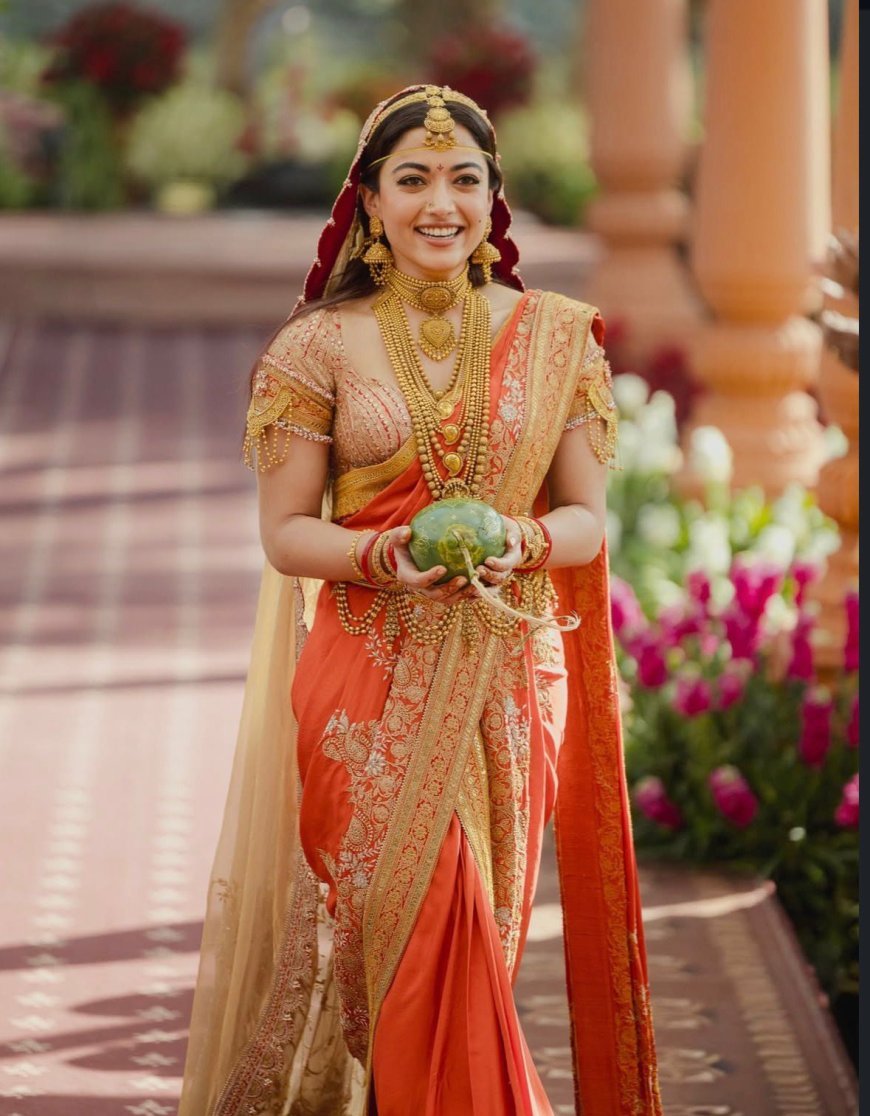 Nayanthara: The Lady Superstar
Nayanthara has redefined stardom itself. She commands opening-day box office numbers once reserved exclusively for male actors.
Her roles often position her not as a supporting romantic presence, but as the gravitational center of the film’s narrative universe. She has portrayed police officers, political strategists, corporate leaders, and morally complex protagonists.
In doing so, she challenges deeply embedded patriarchal assumptions about commercial viability.
Her success is not accidental. It is structural transformation.
Kajal Aggarwal and Rukmani Basanta: Grace Beyond Glamour
Kajal Aggarwal’s cross-industry presence illustrates how adaptability and dignity sustain a career. She balances commercial entertainers with nuanced roles, often portraying characters with ethical conviction.
Rukmani Basanta, representing Odia cinema’s emerging energy, signifies how regional industries beyond the major South Indian languages are also nurturing content-first performers.
These actresses are not bound by cosmetic industry narratives. They are driven by script selection, character depth, and narrative resonance.
The Cosmetic Illusion vs. The Cinematic Real
For decades, global cinemaHollywood included has projected carefully engineered beauty standards. Digital enhancement, contour lighting, cosmetic endorsements, and brand partnerships shaped the image of leading women.
But audiences have changed.
Streaming platforms democratized access to international cinema. Korean dramas, Iranian films, European art-house productions, and Latin American narratives have shifted audience expectations toward realism.
Within this new ecosystem, exaggerated glamour often appears artificial.
South Indian actresses, particularly those who embrace natural aesthetics, align more closely with contemporary global sensibilities:
• Skin with texture, not porcelain
• Emotional lines, not digitally erased expressions
• Action sequences grounded in physical training
• Dance rooted in cultural rhythm, not synthetic choreography
Their appeal lies not in cosmetic erasure but in cultural specificity.
Action-Based Female Performance
A striking feature of modern South Indian cinema is the emergence of action-oriented female roles.
These actresses train physically. They perform stunts. They embody endurance. They display moral courage.
They are no longer peripheral.
In many recent films, female characters:
• Confront systemic injustice
• Challenge political corruption
• Navigate professional hierarchies
• Lead investigative arcs
• Drive revenge narratives
Their presence transforms the grammar of Indian commercial cinema.
Contemporary Representation of Women
Globally, cinema is undergoing a recalibration of gender representation.
From Hollywood’s evolving superhero narratives to European feminist cinema, audiences demand:
• Agency
• Complexity
• Psychological realism
• Moral ambiguity
South Indian actresses increasingly fulfill these criteria.
Their characters are not idealized goddesses nor caricatured rebels. They are human—capable of doubt, resilience, anger, tenderness, and leadership.
Sai Pallavi’s stillness, Nayanthara’s authority, Rashmika’s emotional vibrancy, Trisha’s interpretive restraint—together they represent a mosaic of modern womanhood.
Mythology Reimagined
The invocation of “modern-day Sita” is culturally significant.
In classical Indian epics, Sita embodies resilience, dignity, and moral fortitude under adversity. For an actress to evoke that metaphor today is to carry symbolic weight.
Sai Pallavi’s performances often evoke quiet strength rather than theatrical defiance. She portrays endurance without spectacle.
That subtlety resonates globally.
Audiences across cultures recognize authenticity.
Global Crossover Potential
With streaming platforms expanding international distribution, South Indian actresses are now visible worldwide. Subtitled films travel beyond language barriers. Performance, after all, is not confined by dialect.
Their global appeal stems from:
• Emotional authenticity
• Cultural rootedness
• Narrative seriousness
• Performance discipline
The world is no longer looking for ornamental exotica from India. It seeks layered storytelling.
And these actresses deliver it.
The Decline of Cosmetic Dependency
This editorial does not argue that Bollywood lacks talent. Rather, it observes a structural shift. Glamour-driven marketing once dominated promotional strategies. Now, content-based storytelling drives longevity.
Naturalism is no longer a niche aesthetic it is becoming mainstream.
The heroines of South India have accelerated that transition.
Cinema as Cultural Mirror
Cinema reflects society’s anxieties and aspirations.
Today’s audiences, especially younger generations, value:
• Authenticity over artifice
• Skill over spectacle
• Character depth over costume design
• Narrative coherence over decorative sequences
South Indian actresses embody these shifts. Their success suggests that the future of Indian cinema will not be defined by cosmetic perfection but by intellectual and emotional credibility.
A New Global Standard
If global cinema is moving toward realism, then South Indian heroines are already aligned with that trajectory. Their performances are:
• Emotionally literate
• Culturally grounded
• Physically committed
• Ethically resonant
They prove that beauty does not need embellishment to command attention. True screen presence emerges from:
• Confidence
• Craft
• Conviction
• Cultural self-awareness
Conclusion: The Redefinition of Beauty
Beauty has not beaten Bollywood. Beauty has been redefined. It is no longer the gloss of cosmetics or the choreography of curated perfection. It is the courage to appear human.
It is the discipline to train for action.
It is the humility to embrace natural identity. It is the wisdom to choose meaningful scripts. It is the resilience to challenge patriarchal industry norms.
South Indian heroines have not merely entered global cinema they have elevated it. And if Sai Pallavi is called a modern Sita, it is because she carries stillness in an age of noise. The future of Indian cinema belongs not to cosmetic illusions but to content-driven conviction. In that future, these actresses are not regional stars.They are global storytellers.