






















₹4 Crore Seized from a District Mining Officer: The Tip of the Iceberg or the Shadow of a Larger Plunder?

By Special Correspondent | Bhubaneswar/Cuttack
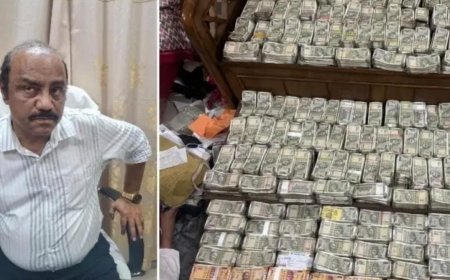
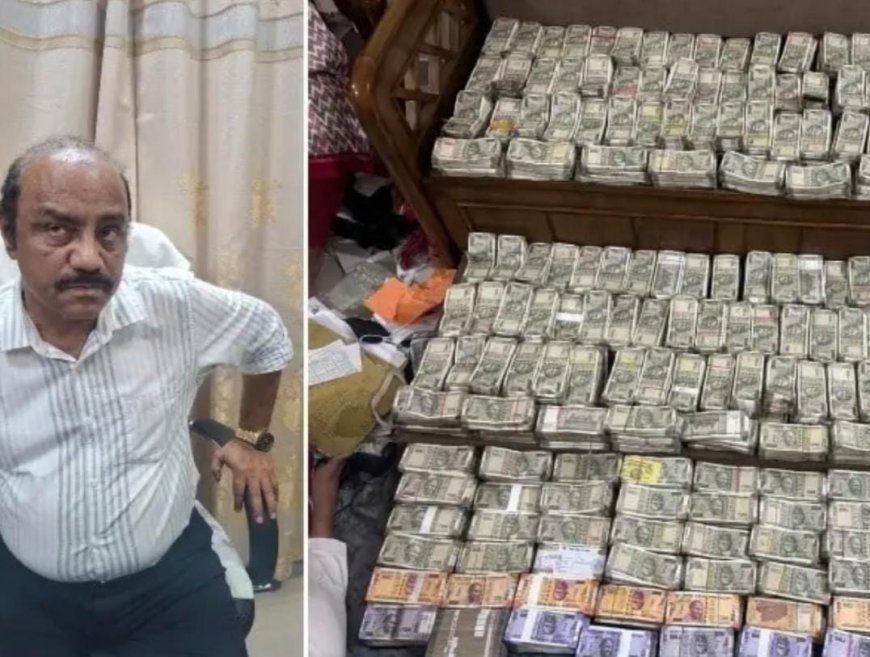
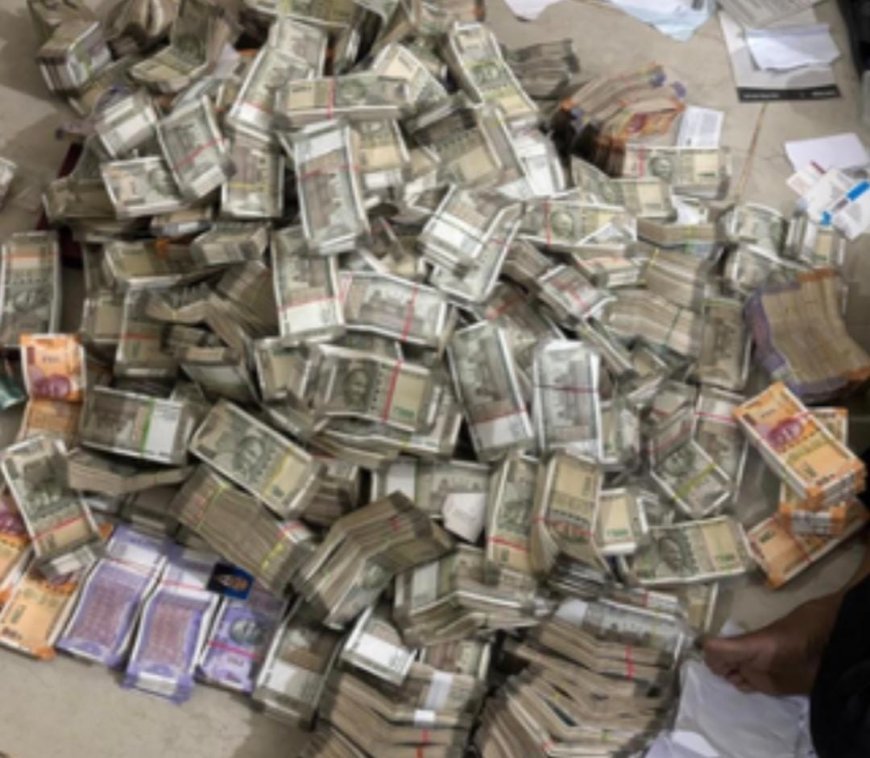
In a development that has shaken the administrative conscience of Odisha, the reported recovery of nearly ₹4 crore in cash from the residence and premises linked to a District Mining Office official in Cuttack has ignited a storm of questions that refuse to remain confined within bureaucratic walls. This is not merely a seizure. It is a revelation. It is not just currency, it is the physical evidence of a system whose moral balance sheet may have long turned red.
When such an enormous amount is allegedly recovered from an officer of relatively modest rank in a mining district administration, the question ceases to be about one individual. It becomes a question about the system itself.
The First Question: If ₹4 Crore Lies at the Bottom, What Lies at the Top?
Mining in Odisha is not a peripheral activity. It is the economic backbone of districts like Keonjhar, Sundargarh, Jharsuguda, Jajpur, and Mayurbhanj, where iron ore, coal, manganese, and chromite flow like arteries of industrial India.
If a district-level mining functionary is allegedly found with ₹4 crore in cash, then the fundamental question arises:
• What is the scale of illegal extraction and cash flow in larger mining hubs like Keonjhar and Sundargarh?
• Is this an isolated case or merely a small fracture revealing a deep structural collapse?
 Veteran citizens and former bureaucrats have begun asking openly: Can corruption of this magnitude exist without systemic protection?
The Second Question: Who Is Accountable, State or Centre?
Mining governance in India operates within a complex structure involving both the State Government and the Central Government.
This raises urgent constitutional and administrative questions:
• Is the Odisha Mining Department responsible for oversight failure?
• Does accountability extend to the State Mining Minister?
• Does the Central Ministry of Mines bear supervisory responsibility under national mining regulations?
• Does ultimate responsibility rest with the Chief Minister of Odisha, under whose executive authority the department functions?
• Or must the Prime Minister’s Office intervene if the scale suggests a national resource crime?
Natural resources belong not to officials but to the people of India. When the custodians become suspects, democracy itself demands answers.
The Third Question: Why Suspension and Not Immediate Dismissal?
Perhaps the most disturbing aspect is procedural.
If investigators have reportedly recovered such an enormous volume of cash, then why has the officer been suspended rather than dismissed immediately?
Suspension is an administrative pause. Dismissal is a moral verdict.
Former civil servants are asking:
• Does suspension protect the system rather than punish the individual?
• Is suspension merely a temporary shield until public outrage fades?
• Will this case end in prosecution, or in quiet reinstatement years later?
Odisha’s history has seen cases where accountability dissolved into silence.
The Fourth Question: Where Is the Inquiry Commission?
In corruption cases involving public resources of such magnitude, democratic norms demand transparency.
Yet several critical questions remain unanswered:
• Has a Special Investigation Team (SIT) been formed?
• Has the Vigilance Department launched a comprehensive probe into mining operations across districts?
• Has the government ordered a judicial inquiry or independent commission?
• Will investigators trace the money trail upward, to contractors, companies, and political intermediaries?
Without systemic investigation, one arrest becomes theatre, not reform.
The Fifth Question: Is This the Shadow of a Larger Mining Economy of Illicit Wealth?
Odisha’s mineral economy generates billions annually. But alongside legal extraction, allegations of illegal mining, royalty evasion, and regulatory manipulation have persisted for decades.
This case forces uncomfortable questions:
• How many similar officers exist across mining districts?
• How much illegal cash circulates beneath official accounting?
• How many political, corporate, and bureaucratic actors form this invisible network?
A former senior bureaucrat, speaking anonymously, remarked “When money appears at the bottom, it has already flowed from the top.”
The Sixth Question: Where Is the Moral Voice of the State?
Beyond legal action lies moral responsibility. The Chief Minister, the Mining Minister, and the administrative leadership now face a test not of governance, but of credibility.
Citizens demand clarity:
• Will the government publish findings transparently?
• Will the investigation extend beyond individuals to institutional networks?
• Or will this case become another file in the archive of forgotten scandals?
The Larger Question: Who Owns Odisha’s Minerals, the People or the System?
Mining wealth belongs to the people of Odisha—the tribal communities displaced, the forests uprooted, the rivers altered. If corruption penetrates the custodians of this wealth, it is not merely financial crime, it is democratic theft.
₹4 crore is not just money. It is a symbol. A signal. A symptom.
And the final question remains the most difficult: Is this the end of a corruption chain or merely its visible beginning?