





















Hole in the Bucket Syndrome: Sundargarh's Endless Water Woes

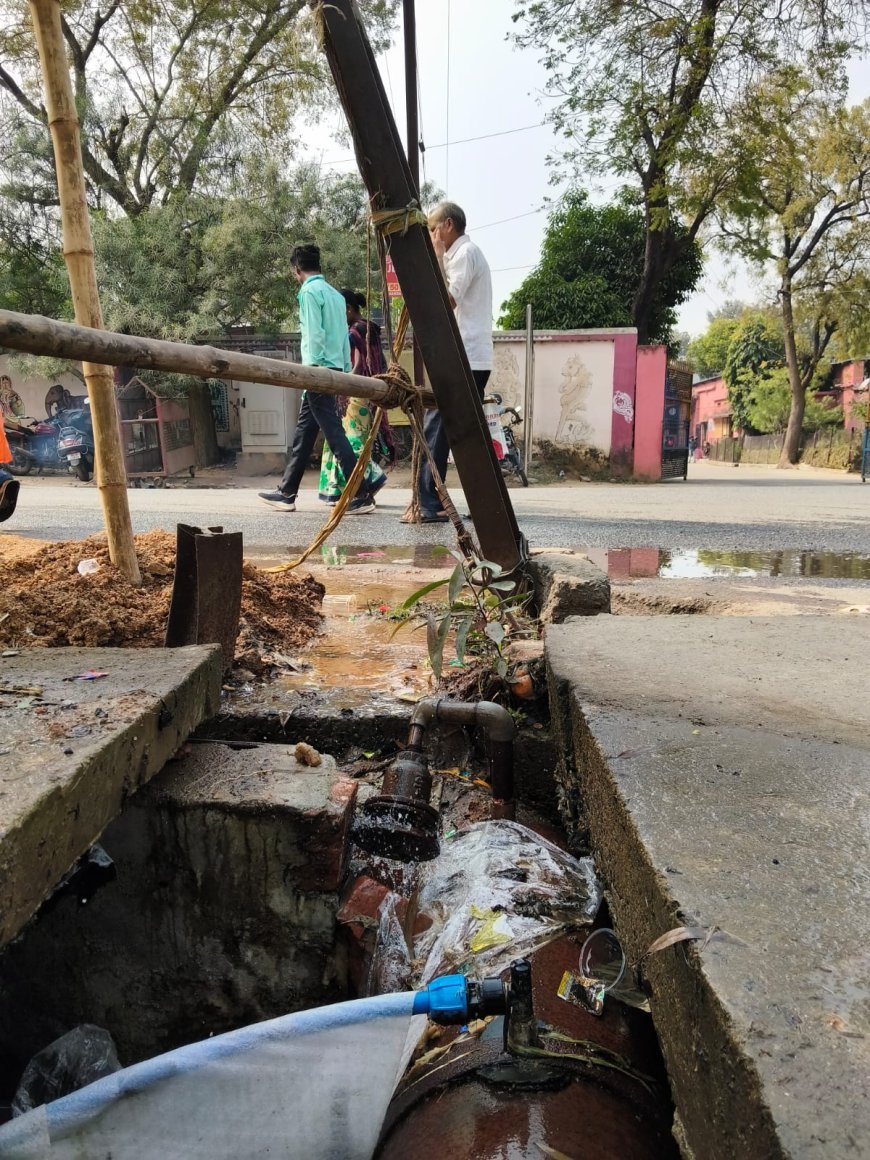
In the classic children's song, "There's a Hole in My Bucket," the protagonist faces an absurd cycle of problems where fixing one issue only reveals another. This whimsical tale has become a metaphor for systemic inefficiencies that lead to perpetual waste and frustration. In Sundargarh town, Odisha, this "Hole in the Bucket Syndrome" is no laughing matter—it's a stark reality manifesting in the never-ending leaks of the Public Health Engineering Department (PHED) water supply system. As precious water pumped from the ephemeral Ib river trickles away through cracked pipes, residents grapple with looming health hazards and the specter of drinking water scarcity. What should be a lifeline is turning into a liability, highlighting deeper issues of infrastructure neglect and environmental vulnerability.
Sundargarh, a bustling district headquarters in western Odisha, relies heavily on the Ib river for its drinking water needs. The river, a tributary of the Mahanadi, is ephemeral by nature—flowing robustly during monsoons but often reducing to a trickle or drying up entirely in the scorching summer months. PHED pumps water from this seasonal source to supply the town, but the system's integrity is compromised by persistent leaks in the aging pipelines. Reports from as far back as 2014 indicate that these leaks are not isolated incidents but a chronic problem, with pipelines running through sewers and contaminated areas, allowing filth to seep into the supply. This wastage exacerbates the natural scarcity, turning a manageable resource challenge into a full-blown crisis.
The health implications are dire. Leaking pipes create breeding grounds for contamination, where drain water and sewage mix with drinking supplies, fostering water-borne diseases. In Sundargarh, this has raised alarms about outbreaks of jaundice, diarrhea, and other illnesses. Local health experts have warned that damaged pipelines in filthy environments pose a direct threat to public health, as even minor leaks can introduce pathogens into households. Residents in areas like Lakraghara have reported similar issues in rural pockets, where summer heat waves compound the problem by drying up alternative sources, forcing reliance on potentially tainted municipal water. With the Ib river's flow depleting rapidly—leading to complete halts in supply during peak dry spells—the risk of consuming contaminated water skyrockets, potentially affecting thousands in this Headquarter of mineral rich district.

Water scarcity is the other side of this leaky coin. The Ib river's seasonal nature already strains supplies; in June 2023, the river ran so dry that Sundargarh's water pumping was suspended, leaving the town in crisis mode. Leaks only worsen this, wasting thousands of liters daily that could otherwise sustain families during shortages. Odisha's broader water management challenges, including corruption allegations in projects like those handled by WATCO (Water Corporation of Odisha), mirror Sundargarh's plight, where burst pipelines and poor maintenance lead to inefficiency and public outrage. In a region prone to heat waves, where awareness campaigns emphasize provision of drinking water and first-aid, the irony is palpable: water is available but lost to the ground before reaching taps.
The roots of this syndrome lie in a combination of environmental factors and human oversight. The Ib river's hydrogeochemistry shows seasonal variations in quality, with mining activities in the area contributing to pollution that further stresses the ecosystem. PHED's infrastructure, plagued by outdated pipes and inadequate repairs, fails to adapt to these realities. Initiatives like in-stream storage structures (ISS) projects aim to mitigate scarcity in Sundargarh and nearby Rourkela by creating reservoirs along the river, potentially ending the crisis within a year of completion. Yet, without addressing the leaks, these efforts risk becoming another patch in the bucket—temporary fixes that don't solve the underlying rot.
For Sundargarh's residents, the daily struggle is real. Women queue at community taps, children miss school due to illness, and industries face operational halts. Community voices, amplified through local media and social platforms, demand accountability from PHED and the state government. "It's like pouring water into a sieve," one local activist lamented, echoing the syndrome's essence. Solutions must include pipeline audits, modern upgrades, and sustainable river management to harness the Ib's flow without waste.
As Odisha grapples with similar issues statewide—from Sambalpur's unrepaired leaks to Bhubaneswar's smart city failings—the "Hole in the Bucket Syndrome" in Sundargarh serves as a cautionary tale. It's a call to plug the holes before the bucket runs dry, ensuring that clean, reliable water flows not just from rivers but through systems built to last. Until then, the cycle of waste and want continues, threatening health and harmony in this vibrant town.
Sanjay Pattnayak
Sundargarh