




































Numerical Astrology: Between Belief, Balance, and Modern Life

By | Acharya Dr. Satyabrata |
In an age dominated by data, algorithms, and artificial intelligence, it may seem paradoxical that numerical astrology—the ancient belief that numbers influence human destiny—continues to command widespread attention. Yet across India, and increasingly in urban centres like Bhubaneswar, numerical astrology has not faded; instead, it has adapted. From naming newborns and choosing vehicle numbers to fixing marriage dates and even branding businesses, numbers are quietly shaping decisions in modern society.
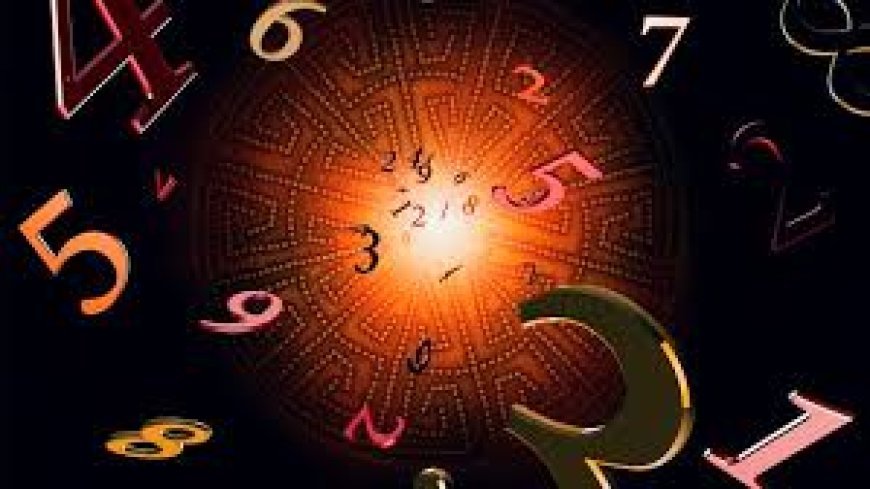
At its core, numerical astrology is rooted in the idea that numbers carry vibrations. Each number, derived from a person’s date of birth or name, is believed to influence personality traits, strengths, weaknesses, and life paths. This belief system, popularised globally through numerology and locally blended with Vedic traditions, offers people something powerful: a sense of order in an uncertain world.
Why does numerical astrology still matter today? The answer lies not in blind faith but in psychology and culture. In times of instability—economic pressure, career uncertainty, relationship stress—people seek patterns that offer reassurance. Numbers feel objective, precise, and universal. Unlike vague predictions, numerical calculations appear logical, even scientific, giving comfort to individuals navigating complex choices.
In urban India, numerical astrology has taken a distinctly practical turn. Professionals consult numerologists before launching startups. Politicians adjust name spellings. Real estate buyers avoid “unlucky” flat numbers. Even digital platforms reflect this mindset—people choose phone numbers, email IDs, and social media handles based on numerical compatibility. What was once spiritual guidance has become decision-support in everyday life.
However, this growing influence also raises important questions. When belief crosses into dependency, numerical astrology risks replacing responsibility with resignation. Career failures blamed on numbers, relationship conflicts explained away by “incompatible vibrations,” or financial losses justified as “bad cycles” can weaken personal accountability. Numbers may guide, but they cannot act. Human effort, ethics, and decision-making remain central to outcomes.
There is also the risk of commercial exploitation. The booming market of astrologers, apps, and paid consultations often blurs the line between guidance and fear-selling. When predictions are framed in alarming terms—warning of disasters unless costly remedies are followed—numerical astrology shifts from cultural practice to psychological pressure. Regulation and public awareness become essential here.
Yet dismissing numerical astrology outright would ignore its deeper cultural role. For many, it functions as a reflective tool. By assigning meaning to numbers, individuals pause, introspect, and evaluate their choices. In this sense, numerical astrology works less as fate-writing and more as self-dialogue. It encourages mindfulness, timing, and patience—qualities often missing in fast-paced urban life.
The challenge, therefore, is balance. Numerical astrology should complement rational thinking, not replace it. Just as financial planning coexists with intuition, or mental health therapy with spiritual practices, belief systems can coexist with logic. The danger lies not in numbers, but in surrendering agency to them.
As society modernises, numerical astrology is unlikely to disappear. Instead, it will continue to evolve—integrated into apps, branding strategies, and lifestyle decisions. The responsibility lies with individuals to use it wisely: as guidance, not gospel.
In the end, numbers may influence the rhythm of life, but they do not write its meaning. That remains firmly in human hands.