




























Working Lady

By : Sashi Sekhar Samanta
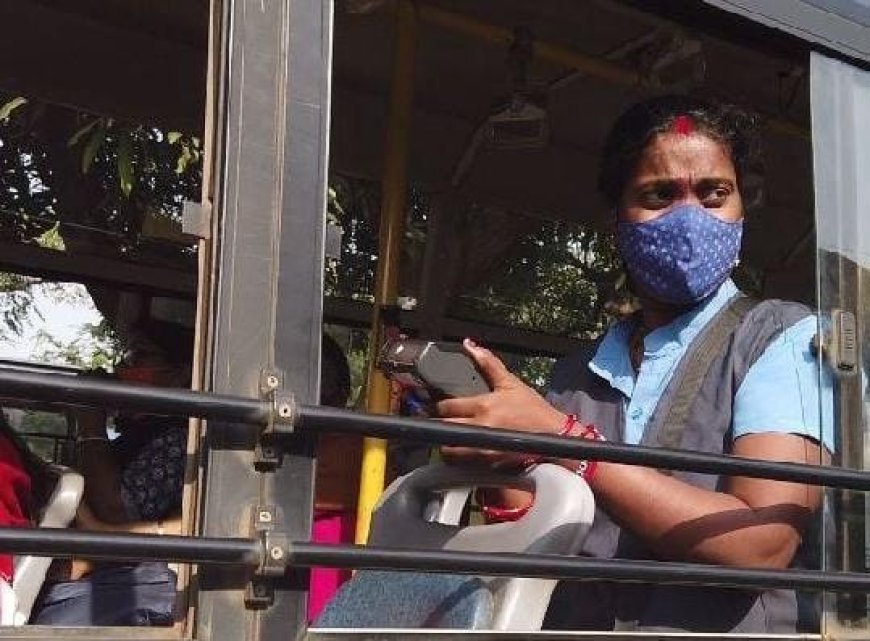
Bhubaneswar, once known primarily as a temple city, has quietly transformed into a magnet for working women from every corner of Odisha. From Koraput to Kendrapara, from Mayurbhanj to Malkangiri, young women arrive in the capital with degrees, dreams, and determination. They come to work in offices, hospitals, malls, schools, newsrooms, IT parks, call centres, hotels, start-ups, and government institutions. Together, they form an invisible backbone of the city’s everyday functioning.
Yet behind the image of a growing “smart city” lies a complex, often contradictory reality of the working lady in Bhubaneswar—a life shaped by ambition and anxiety, freedom and fear, independence and inequality.
Most working women in Bhubaneswar are first-generation urban migrants. They come from rural or semi-urban Odisha, carrying with them family expectations and social conditioning shaped by conservative norms. For many, Bhubaneswar is their first exposure to: financial independence , living away from family , mixed-gender workplaces ,urban anonymity
The transition is rarely smooth. Finding a job itself is a struggle—interviews that judge confidence over competence, questions about marriage plans, and subtle discrimination based on background or accent. Still, thousands persist, because the city offers what villages cannot: opportunity.
Living Arrangements: Independence at a Price. Housing is one of the biggest challenges. Working women mostly live in: shared rented rooms , paying guest (PG) accommodations hostels with some how strict rules.
Safety concerns often dictate choices more than affordability. Many PGs enforce curfews, surveillance, and moral policing—treating adult women as children in the name of protection. Landlords ask intrusive questions. Neighbours judge lifestyles. Freedom, in Bhubaneswar, often comes with conditions. At the Workplace: Respect Is Not Guaranteed.
In offices, working women occupy every level—from junior executives to senior professionals. But equality remains uneven.
Common realities include: male-dominated leadership ,gender pay gaps , lack of promotion opportunities , casual sexism disguised as “office culture” , pressure to prove competence repeatedly. Some bosses mentor and empower. Others exploit power—through overwork, inappropriate remarks, or unrealistic expectations. Many women learn to navigate this carefully, choosing silence over confrontation to protect their jobs.
For rural-background women especially, confidence becomes a survival skill they must build from scratch. Most working women in Bhubaneswar earn modest salaries. For many, income barely covers rent, food, transport, and family support back home. Savings are limited. Job security is fragile, especially in the private sector.
There are women who: send money to villages every month ,support siblings’ education ,repay family debts , postpone personal dreams . For them, work is not empowerment—it is responsibility.
Two Very Different Lives, Bhubaneswar’s nightlife tells two contrasting stories of working women. Many women work late shifts—in hospitals, media houses, IT and BPO sectors. Night travel is often unavoidable. Safety becomes a daily calculation: which route is safer , which auto driver can be trusted , how to avoid attention , Fear is managed quietly. Complaints are rare. Endurance becomes routine.
2. Choice and Celebration
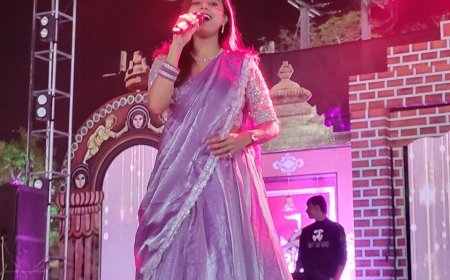
At the same time, another section of working women—financially comfortable, socially confident—embrace the city’s growing nightlife. Cafés, pubs, parties, travel, and social media shape a different urban identity.
For them, nightlife is not rebellion—it is self-expression.
The city thus hosts two realities: one where night is endured, another where night is enjoyed. Both coexist, rarely understood by each other. Judgment from All Sides , Working women face constant judgment: From families worried about “reputation” . From society that equates independence with character , From social media that stereotypes urban women , From workplaces that expect professionalism without protection.
• A woman working late is questioned.
• A woman enjoying nightlife is labelled.
• A woman choosing survival is ignored.
The Unspoken Burden : Loneliness, pressure, fear, and ambition collide in the lives of working women. Living away from family, managing expectations, and dealing with uncertainty take a toll. Many women: suppress stress , hide exhaustion ,avoid seeking help .The city celebrates their productivity, but rarely acknowledges their vulnerability.
If Bhubaneswar truly wants to be a progressive city, it must go beyond slogans.
Working women are not outsiders in Bhubaneswar—they are its lifeblood. They teach, heal, design, report, manage, sell, code, and care. Some are surviving. Some are thriving. All are shaping the city’s future. Their lives are not uniform, and they do not need to be. What they need is dignity, safety, and respect—whether they are counting every rupee or dancing through the night. A city that protects its working women does not just empower them. It becomes stronger, fairer, and truly modern.
Bhubaneswar’s progress will ultimately be measured not by its buildings, but by how freely and safely its women can live, work, and choose.