





















Are Awards Killing Literary Sadhana?

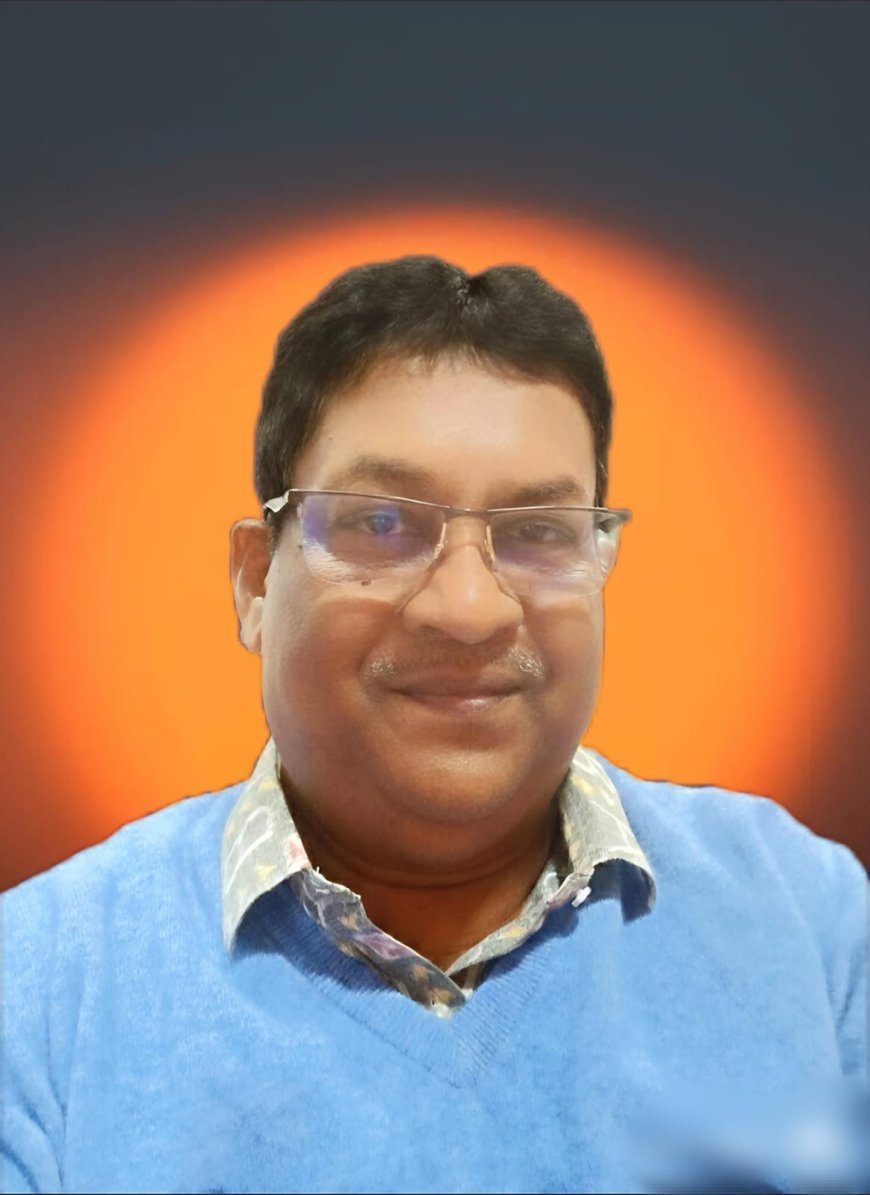
By Krushna Kumar Mohanty
There is a familiar saying in our society: "without sadhana, there can be no siddhi." Mastery does not arrive overnight. In any creative field, sustained effort, discipline, patience, and self-critique are indispensable. Literature is no exception. Writers who have earned lasting recognition have done so through years of quiet labour, repeated failure, revision, and renewal. Fame, when it arrived, was incidental, never the goal.
In the context of Odia literature, this truth needs to be restated with urgency.
The stalwarts who shaped our literary legacy did not emerge suddenly. Their journeys were long and often solitary. They read deeply, wrote relentlessly, and matured slowly. Their work carried weight because it was shaped by time. Today, however, the literary climate appears to be shifting in troubling ways.
A new generation of writers is certainly emerging, and this is encouraging. Youth brings freshness, experimentation, and new perspectives. Yet alongside this promise, a growing impatience is visible. Many young writers appear unwilling, or unable, to submit themselves to sustained literary discipline. One major reason is the culture of instant recognition that has taken root.
Almost as soon as a new writer appears, awards, felicitations, stages, and applause follow. Institutions and organisations, often with good intentions, rush to identify and reward “new talent.” Encouragement is necessary, but premature celebration can be harmful. Instead of nurturing humility and discipline, it often creates a false sense of arrival. The young writer begins to equate awards with literary maturity.
The reality is quite different. Literary worth is not validated by trophies but by continuity. Without rigorous sadhana, many award-winning writers gradually fade from the scene. They stop writing regularly, avoid self-examination, and drift away from serious engagement. A few years later, their names vanished from journals, discussions, and readers’ memories. Early applause, instead of strengthening commitment, weakens it.
This leads to an uncomfortable but necessary question: are awards today harming talent instead of helping it?
Awards are not the enemy. Recognition has its place. It can motivate, reassure, and offer visibility. The problem arises when awards replace growth rather than mark it. Literature then turns into a race for validation instead of a process of inner discovery and craftsmanship.
What young writers need more than medals is an ecosystem that values persistence. They need mentors who challenge rather than flatter, editors who edit rigorously, platforms that publish consistently, and criticism that is honest rather than ceremonial. Most importantly, they must learn that silence, struggle, and slow progress are not failures but essential stages of a writer’s life.
Institutions working for Odia literature must also be introspected. Instead of rushing to reward, they could invest in workshops, long-term fellowships, reading circles, and sustained publication opportunities. Instead of annual prizes for “best newcomer,” why not recognise growth over five or ten years? Why not honour commitment, evolution, and contribution rather than early promise alone?
True encouragement lies in helping writers fall in love with writing itself, not with applause.
If we fail to address this now, the future may indeed be bleak. We may witness many beginnings but very few journeys that reach depth and maturity. Literature cannot survive on promise alone; it needs endurance.
The choice before us is clear: do we want instant stars or enduring voices? Without sadhana, siddhi will remain an illusion. And without restoring respect for literary discipline, we risk celebrating awards in the absence of lasting literature.
This is not a call to abandon recognition, but a plea to restore balance. Let awards follow achievement, not precede it. Let writing come before praise.
• Associate Editor: Rebati, Rebati Media House Pvt. Ltd., Balasore, Odisha @ krushna.kk@gmail.com