

















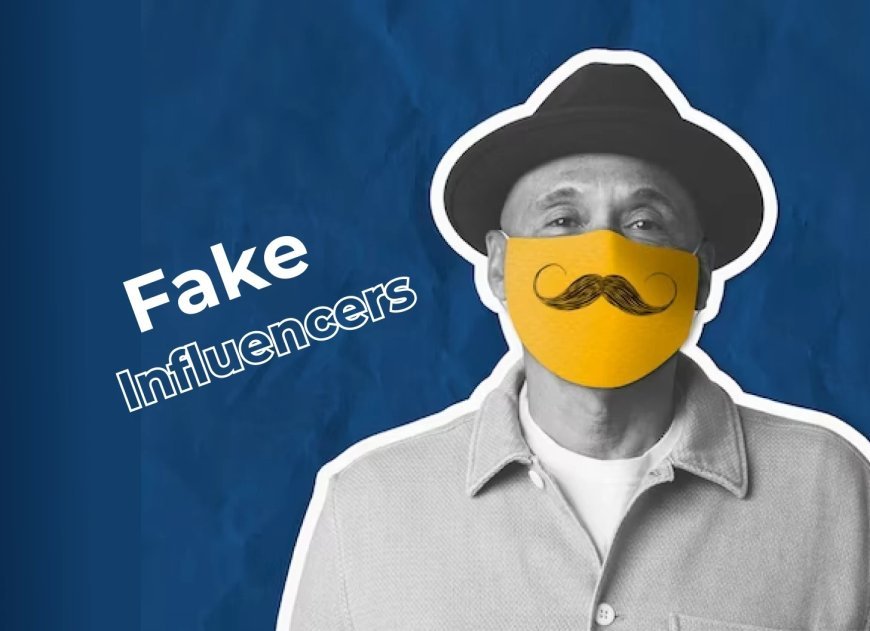
Bogus Influencers

By | Sashi Sekhar Samanta |
Odisha’s Social Media Mirage Faces a Public Reckoning
A new class of power brokers has emerged in Odisha—not through elections, institutions, or public service, but through algorithms. They call themselves “social media influencers.” They command followers, sell opinions, shape trends, and increasingly, influence public behaviour. Some use this power responsibly. Many do not. This editorial is a public warning—not a threat of violence, but a clear civic message: the era of unchecked, bogus influence is ending. Accountability is coming—through public scrutiny, legal frameworks, advertiser responsibility, and collective civic action.
The Rise of the Bogus Influencer : In Odisha, as elsewhere, social media has lowered entry barriers to fame. With a smartphone, borrowed aesthetics, and sensational content, anyone can project authority. The problem begins when visibility masquerades as credibility.
Bogus influencers thrive on: exaggerated claims of expertise , misleading endorsements ,fake followers and engagement ,staged charity and performative activism ,half-truths dressed as facts ,clickbait outrage and manufactured controversy.
They are not creators; they are attention brokers. They do not inform; they manipulate.
Why This Is a Public Threat (Not Just a Nuisance) ,The damage caused by bogus influencers is real and measurable: 1. Misinformation at Scale : From health advice to civic issues, unverified claims spread faster than corrections. In a state with diverse literacy levels, misinformation can mislead entire communities. 2. Exploitation of Trust : Followers—especially youth—are sold products, ideologies, and lifestyles without disclosure or accountability. Paid promotions are passed off as personal beliefs. 3. Undermining Institutions :When influencers replace experts, teachers, journalists, and professionals, public trust shifts from evidence to entertainment. 4. Cultural Distortion :Odisha’s culture is commodified into reels—reduced to stereotypes for views, stripped of context and respect. 5. Civic Harm : Inflammatory content fuels division, distracts from real issues, and turns governance into spectacle. This is not harmless content. It is public deception. The Myth of “Free Speech” as a Shield . Bogus influencers often hide behind free speech. Free speech protects opinion—not fraud, deception, or undisclosed advertising. When influence is monetised, responsibility follows.
The public has the right to ask: Who is funding this content? Is this advice qualified? Is this claim verified? Is this promotion disclosed? Silence on these questions is not creativity—it is concealment. A Clear Message from the Public
Here is the message, plain and firm: You will be questioned. You will be fact-checked. Your disclosures will be demanded. Your claims will be audited by public reason. The audience is no longer passive. Screenshots remember. Timelines archive. Lies age badly. This is not cancel culture. This is civic hygiene.
Advertisers, Take Note : Brands that partner with bogus influencers share responsibility. The public is watching who funds deception. Endorsements without due diligence risk reputational damage—and consumer backlash. Ethical advertising is no longer optional. It is brand survival. Platforms Cannot Look Away , Platforms profit from engagement, but they cannot outsource responsibility. Algorithmic amplification of deceptive content is not neutrality. Transparency tools, disclosure enforcement, and penalties for repeat offenders are overdue. If platforms fail to act, public pressure and regulatory scrutiny will intensify.
Law Is Catching Up , Across India, consumer protection laws, advertising standards, and digital regulations are evolving. Undisclosed promotions, misleading claims, and impersonation carry consequences. Bogus influence is not beyond the law—it has simply enjoyed a lag. That lag is closing. What Legitimate Creators Should Do
This editorial is not an attack on creators. It is a defence of integrity.
Real creators should: disclose paid partnerships clearly , cite sources and qualifications , avoid sensational misinformation , respect cultural contexts , correct errors publicly ,Credibility is built slowly—and lost instantly.
What the Public Must Do , The strongest regulation is an informed audience. Citizens can: stop rewarding clickbait , verify before sharing , demand disclosures , support credible journalism and educators , report deceptive content Attention is currency. Spend it wisely.
Influence Without Integrity Will Not Survive : Odisha deserves better than borrowed fame and manufactured authority. The digital public square must not be ruled by noise. Influence must earn trust—or lose relevance.
This is the public’s notice: If you profit from influence, you owe the public truth. If you sell opinions, you must disclose interests. If you mislead, you will be challenged.
No threats. No violence.
Just accountability—firm, collective, and inevitable. The era of bogus influence is ending.
The age of public scrutiny has begun.