































Natya Mandap: Where Acting Becomes Worship


By Bibhu Dixit
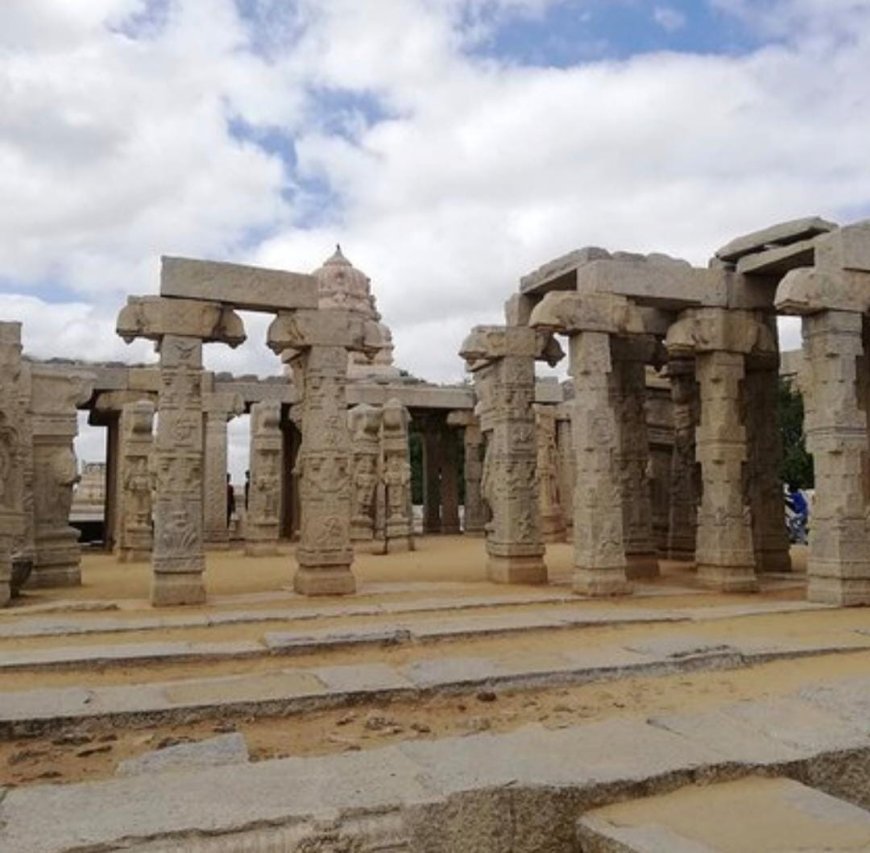
The Natya Mandap occupies a vital position in the architectural and spiritual structure of Indian temples, functioning as a sacred pavilion where artistic performance becomes an act of devotion. It is not merely a hall constructed for entertainment; rather, it is a consecrated space that embodies the Indian philosophical conviction that art, spirituality, and ritual are inseparable. Within the Natya Mandap, acting transcends imitation and assumes the character of worship.
The conceptual foundation of the Natya Mandap is deeply rooted in the aesthetic principles articulated in the Natya Shastra, attributed to Bharata Muni (circa 200 BCE–200 CE). This seminal text elevates drama (natya) to the status of the Panchama Veda, the Fifth Veda, created to educate, morally refine, and spiritually uplift society. Bharata presents theatre as a comprehensive art that synthesizes gesture, speech, music, costume, and emotional expression into a disciplined system of representation.
Central to this theory is the doctrine of Rasa, the aesthetic experience generated when the emotional states (bhava) expressed by the performer are internalized and relished by the spectator. This aesthetic process is transformative, refining the consciousness of both performer and audience.
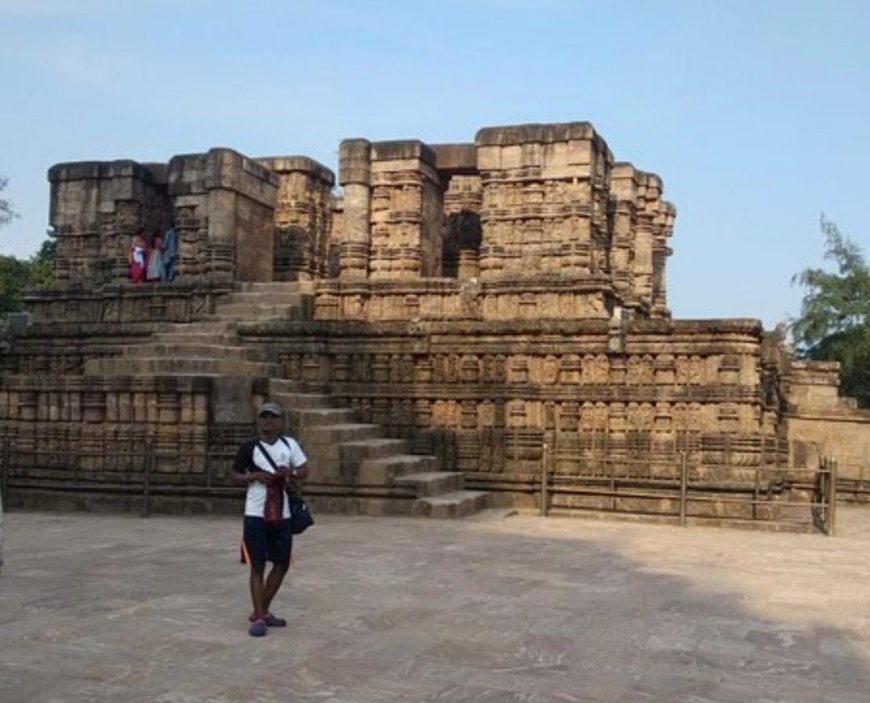
Temple architecture translated these dramaturgical principles into physical space. In the Kalinga architectural tradition of Odisha, the Natya Mandap forms part of the axial progression toward the sanctum (garbhagriha), symbolizing the movement from the outer, material world to the inner spiritual core. The thirteenth-century Konark Sun Temple presents a compelling example. Its Nata Mandira is adorned with sculptural depictions of dancers, musicians, and celestial performers, indicating that ritual performance was an integral component of temple worship. The iconography itself affirms the sacred legitimacy of artistic expression.
The ritual traditions of the Jagannath Temple further illustrate this synthesis of performance and devotion. Historically, Mahari (Devadasi) dancers performed sacred dance as part of daily ritual service to Lord Jagannath. These performances were not public spectacles but devotional offerings, each gesture and expression guided by theological symbolism and disciplined training. In South India, inscriptions at the Brihadeeswara Temple record the appointment of temple dancers and musicians, demonstrating that sacred performance halls were integral to temple institutions across regions of India.
Within the Natya Mandap, the actor or dancer assumes the role of ritual mediator. The Natya Shastra describes four dimensions of abhinaya: Angika (physical expression), Vachika (verbal articulation), Aharya (costume and external decoration), and Sattvika (inner emotional state). Among these, Sattvika Abhinaya is considered the most profound, as it reflects genuine internal transformation.
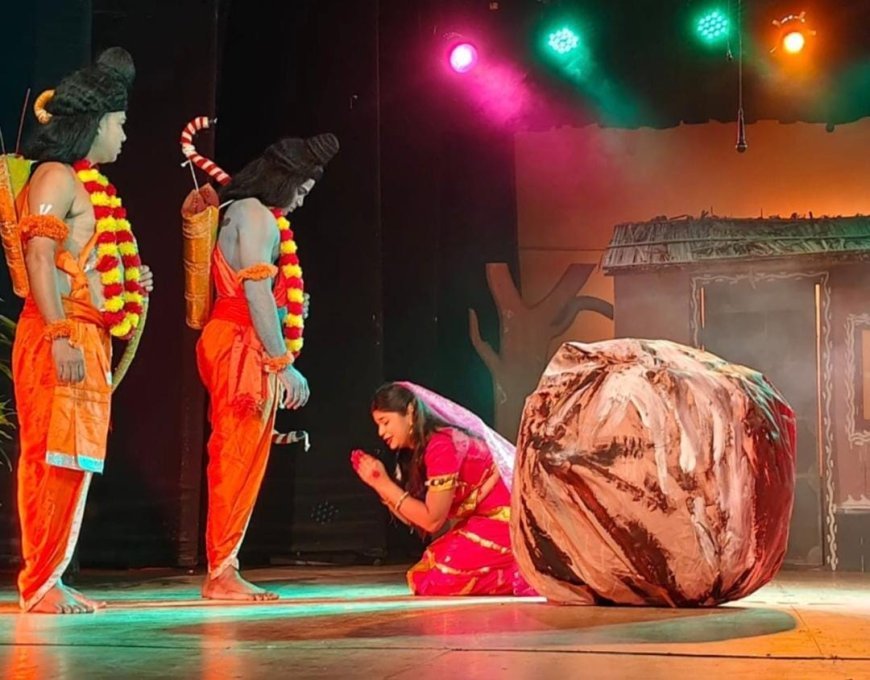
When the performer embodies emotional truth with sincerity and discipline, performance becomes contemplative practice. The enactment of devotional narratives—such as Krishna Leela or classical Odissi compositions dedicated to Lord Jagannath—allows the performer to become a medium through which sacred stories are experienced. The audience, in turn, participates emotionally and spiritually, transforming spectatorship into shared aesthetic meditation.
From an academic perspective, the Natya Mandap may be understood as a performative-sacral space where architecture, ritual, aesthetics, and psychology converge. It materializes the metaphysical assumption that art refines human consciousness and sustains collective memory. The placement of the Natya Mandap before the sanctum underscores its symbolic function as a bridge between human expression and divine presence.
In contemporary discourse, theatre is often framed as a secular profession or cultural industry. Yet, the Natya Mandap challenges this reduction by offering an alternative paradigm in which artistic practice carries ethical and spiritual responsibility. Acting is not solely a technical skill but a disciplined path toward inner awareness. When guided by sincerity and devotion, performance becomes an offering rather than exhibition.
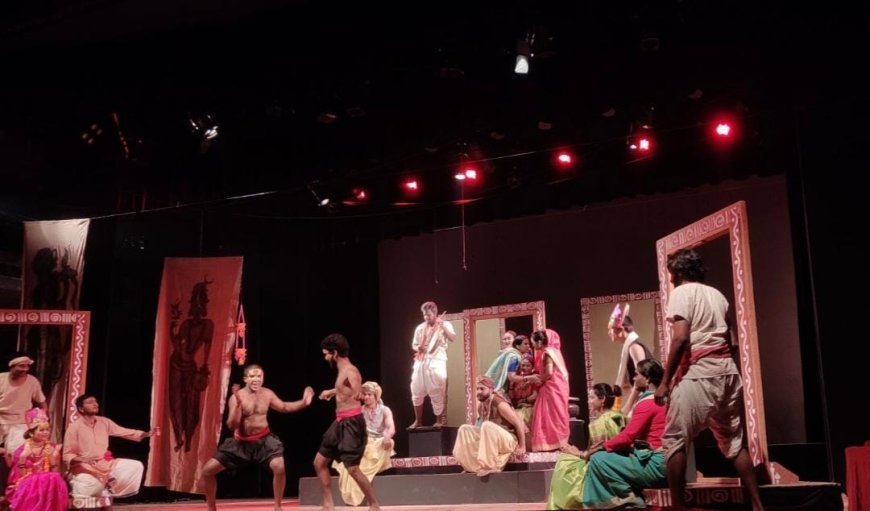
The Natya Mandap thus stands as both architectural reality and enduring philosophical symbol. Grounded in the insights of the Natya Shastra and embodied in temple traditions across India, it affirms that performance is a sacred act capable of transforming individual and collective consciousness. Within its resonant halls, acting is elevated beyond imitation and becomes worship.
References
Bharata Muni. Natya Shastra. Translated by Manomohan Ghosh. Asiatic Society.
Kramrisch, Stella. The Hindu Temple. Motilal Banarsidass.
Michell, George. The Hindu Temple: An Introduction to Its Meaning and Forms. University of Chicago Press.
Vatsyayan, Kapila. Classical Indian Dance in Literature and the Arts. Sangeet Natak Akademi.
OpenAI. ChatGPT.
Language Assistance Declaration
The English language of this article was developed with the assistance of OpenAI’s ChatGPT. The ideas, interpretation, and authorship belong to Bibhu Dixit.