




















Cross-Voting Clouds and a Political Test for BJD

By | Dr. Sashi Sekhar Samanta
The upcoming election to the Rajya Sabha from Odisha has turned into an unexpected political drama. What was once expected to be a routine numerical exercise for the ruling Biju Janata Dal (BJD) is now surrounded by speculation, strategic calculations, and whispers of cross-voting within the party.
At the center of this unfolding contest stands an unusual political puzzle: will BJD’s nominee Dr. Santrupt Mishra secure the seat, or could internal dissent lead to a surprise outcome that reshapes the electoral arithmetic?
The Arithmetic and the Assumptions
In theory, Rajya Sabha elections are decided by legislative arithmetic. Parties with sufficient numbers in the state assembly generally secure their candidates comfortably. For years, BJD’s strong presence in the Odisha Assembly ensured a smooth passage for its nominees to the Upper House.
However, the current contest appears to be anything but predictable.
Three major dynamics are shaping the narrative:
· BJD’s official candidates and internal sentiment
· BJP’s clearly structured electoral strategy
· Independent candidate Dilip Ray’s unexpected momentum
These elements together have created a situation where speculation about cross-voting has become the central political conversation.
BJP’s Calculated Clarity
The Bharatiya Janata Party (BJP) appears confident about its position. With its legislative strength, party leaders believe their nominees are secure.
State BJP president Manmohan Samal is widely expected to win comfortably with the support of BJP MLAs. Similarly, the party’s second nominee, Mr. Kumar, is also considered safe due to the party’s consolidated voting strategy.
In Rajya Sabha elections, discipline in voting is crucial. BJP’s organizational structure often emphasizes strict adherence to party directives, and that discipline could play a decisive role in securing both seats.
The Dilip Ray Factor
The biggest uncertainty in the election, however, revolves around Dilip Ray, who has entered the contest as an independent candidate.
Ray is no stranger to Odisha politics. A seasoned leader with a long political career, he has previously demonstrated his ability to navigate complex electoral equations. His confidence in this contest has raised eyebrows across political circles.
Ray’s supporters claim that he could secure a substantial number of votes—possibly exceeding forty. If such a scenario materializes, it would indicate a significant level of cross-voting within the ruling party.
The question many observers are asking is simple yet profound: How can an independent candidate gather such numbers in a structured legislative election?
The answer, according to political speculation, lies within BJD itself.
Discontent Around Santrupt Mishra’s Nomination
Among sections of BJD legislators, there appears to be a debate regarding the nomination of Dr. Santrupt Mishra.
Several MLAs—according to political discussions and informal conversations—are reportedly questioning the rationale behind his candidature. The questions being raised are not necessarily personal but organizational.
Some legislators are asking:
·Is Santrupt Mishra a grassroots leader of the party?
·Has he been deeply involved in BJD’s political struggles or electoral campaigns?
·Were there no long-serving party leaders deserving of the nomination?
Such questions, circulating in political corridors, reveal the tension between technocratic nominations and traditional political expectations.
Regional parties like BJD have historically rewarded loyalty and grassroots commitment. When candidates perceived as “outsiders” are nominated, it can sometimes trigger internal dissatisfaction.
Whether this dissatisfaction translates into actual cross-voting remains the key question.
The Congress Equation and Datteswar Hota
Another important aspect of the election is the candidature of Dr. Datteswar Hota, who has reportedly received broader political understanding beyond BJD.
According to political indications, BJD leadership has declared him a joint support candidate with the Indian National Congress.
If Congress MLAs extend their support as expected, Dr. Hota’s path to the Rajya Sabha could become significantly smoother.
This arrangement highlights an interesting dimension of Odisha politics—issue-based or strategic cooperation between parties that are otherwise competitors.
If the Congress votes consolidate behind Dr. Hota, his victory may become one of the more predictable outcomes of the election.
The Shadow of Cross-Voting
The most intriguing and potentially disruptive element in this election remains the possibility of cross-voting within BJD ranks.
Political sources suggest that a group of BJD legislators may be quietly exploring alternatives to the official party line. Some reports indicate that several senior figures might favor Dilip Ray as a candidate with greater political experience and legacy.
If such sentiments translate into votes, the impact could be dramatic.
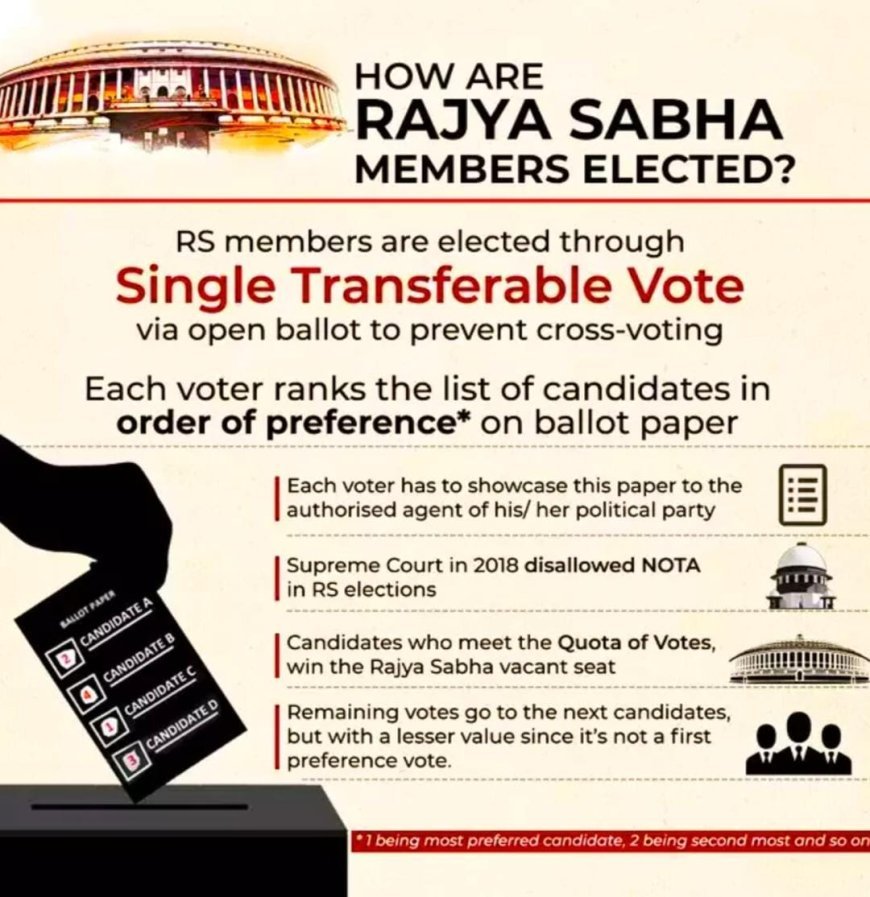
Rajya Sabha elections use a system where preference voting and strategic ballot marking can significantly influence outcomes. Even a limited number of cross-votes can alter the result, especially when an independent candidate is in the race.
A vote tally exceeding forty for Dilip Ray—if it happens—would indicate a level of internal dissent rarely seen in Odisha’s otherwise disciplined political landscape.
What Will Naveen Patnaik Do?
Ultimately, the spotlight turns toward BJD supremo Naveen Patnaik.
For over two decades, Patnaik has maintained one of the most disciplined political organizations in India. Instances of open rebellion or large-scale cross-voting within BJD have historically been rare.
If the current speculation proves accurate, it would present a serious organizational challenge.
The leadership now faces critical questions:
·Can party discipline be reinforced before voting day?
·Will internal dissent be addressed through dialogue or stricter directives?
·Or will the party allow the election to unfold freely, trusting its MLAs to remain loyal?
How Patnaik manages this situation will reveal much about the internal dynamics of BJD in its current phase.
Lessons from the Past
Odisha’s political history offers precedents where unexpected alliances and tactical voting changed Rajya Sabha outcomes.
Notably, Dilip Ray himself has previously demonstrated political resilience in navigating complex electoral scenarios. His past victories in parliamentary contests underline his reputation as a strategist capable of building unlikely coalitions.
That historical memory adds to the intrigue surrounding the current election.
A Test of Political Discipline
Beyond individual candidates, this Rajya Sabha election has become a test of party discipline, leadership authority, and legislative loyalty.
If BJD’s official candidate faces defeat due to cross-voting, it would send a powerful message about evolving political dynamics within the party.
Conversely, if the party successfully consolidates its votes, the speculation around rebellion will fade as just another episode in the rumor-filled atmosphere of pre-election politics.
A High-Stakes Contest
The Odisha Rajya Sabha election has transformed from a routine legislative exercise into a high-stakes political contest.
Three outcomes are being closely watched:
Dilip Ray’s independent challenge and potential cross-voting support
Dr. Datteswar Hota’s expected victory with Congress backing
The uncertain fate of Dr. Santrupt Mishra
If cross-voting indeed occurs and Dilip Ray secures victory, it will mark one of the most dramatic political moments in recent Odisha legislative history.
For BJD, it will be more than just a lost seat—it will be a signal that internal political equations are shifting.
And in politics, such signals often matter as much as the final vote count.